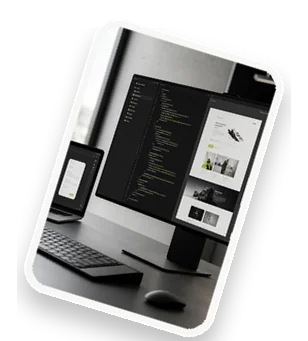
A design system is a complete set of standards, reusable components, and guidelines that streamline front-end development. It ensures consistency across digital products, accelerates development speed, and simplifies maintenance. By providing a shared language between designers and developers, a design system reduces technical debt and enables teams to scale efficiently. Whether you're building a single app or a suite of products, investing in a design system is a strategic move toward long-term productivity and brand coherence.
What is a Design System and Why Does It Matter?
A design system is more than a UI library—it's a living ecosystem of design tokens, components, patterns, and documentation. It serves as the single source of truth for your product's visual and functional language. Why does it matter? First, consistency: every button, form, and modal behaves the same way across all touchpoints, reinforcing brand trust. Second, speed: developers reuse pre-built components instead of reinventing the wheel, cutting development time by up to 50%. Third, scalability: as your product grows, a design system prevents fragmentation and keeps the codebase maintainable. For example, a global e-commerce platform reduced its UI bugs by 40% after adopting a design system. In short, a design system transforms chaotic front-end development into a smooth, predictable process.
Key Components of an Effective Design System
An effective design system comprises several core elements that work together seamlessly:
- Design tokens: These are the atomic values—colors, typography scales, spacing units, and shadows—that define your brand's visual identity. Tokens ensure consistency at the lowest level.
- Reusable UI components: Buttons, inputs, modals, cards, and navigation elements built with accessibility and responsiveness in mind. Each component is self-contained and can be used across projects.
- Patterns and templates: Common layouts like login flows, dashboards, or product grids. Patterns provide ready-made solutions for recurring design challenges.
- Documentation and guidelines: Clear usage instructions, code examples, and design principles. Good documentation ensures that everyone—from junior designers to senior developers—knows how and when to use each component.
Together, these components create a cohesive system that empowers teams to build faster without sacrificing quality.
How a Design System Accelerates Front-End Development
A design system supercharges front-end development by eliminating repetitive work. Instead of coding a button from scratch each time, developers import a pre-styled, tested component. This reusability cuts development time dramatically. For instance, building a new page with a design system can be as simple as assembling Lego blocks: pick a header, add a hero section, insert a form, and you're done. QA also benefits: since components are already tested, there are fewer bugs to catch. New developers onboard faster because they learn one set of components instead of navigating a tangled codebase. A real-world example: a fintech startup reduced its feature delivery time from two weeks to three days after implementing a design system. The result? More features, fewer errors, and happier teams.
Ensuring Manageability: Versioning and Updates
For a design system to remain manageable over time, versioning and update processes are critical. Use semantic versioning (major.minor.patch) to communicate changes clearly: major versions for breaking changes, minor for new features, patch for bug fixes. Integrate automated testing and CI/CD pipelines to catch regressions early. Maintain a change log that documents every update, and provide migration guides for major versions. Tools like Storybook allow you to visually test components in isolation, while Bit helps version and share components across projects. A well-managed design system evolves gracefully—teams can upgrade incrementally without breaking existing products. Regular audits ensure outdated components are deprecated or updated, keeping the system lean and relevant.
Best Practices for Implementing a Design System
Implementing a design system is a strategic initiative that requires careful planning. Start small: pick a pilot project or a set of core components (e.g., buttons, inputs, typography) and build from there. Involve both designers and developers from day one to ensure the system meets real needs and is technically feasible. Establish a single source of truth—a central repository where all components, tokens, and documentation live. This could be a dedicated Git repo with a Storybook site. Regularly audit your system: review usage analytics, gather feedback, and deprecate components that are no longer needed. Avoid over-engineering; focus on components that provide the most value. Finally, communicate the benefits to stakeholders to secure buy-in and resources.
Common Challenges and How to Overcome Them
Building a design system isn't without obstacles. One common challenge is resistance to change: teams may be attached to their existing workflows. Overcome this by showing quick wins—demonstrate how a reusable component saves time on a real task. Another issue is keeping documentation up to date. Assign a dedicated owner or team to maintain the system, and integrate documentation updates into the development process. Balancing flexibility with consistency can be tricky: too rigid, and designers feel constrained; too loose, and consistency suffers. Solve this by providing clear guidelines for customization (e.g., prop-based variations) while enforcing core rules. Scaling across multiple products requires governance—establish a review process for new components and ensure alignment with brand standards. With the right mindset and processes, these challenges become manageable.
Measuring the Success of Your Design System
To justify investment and guide improvements, you need to measure success. Key metrics include developer satisfaction and productivity: survey your team on how much time they save and how easy the system is to use. Track reduction in design and development time for new features. Measure consistency scores by auditing visual elements across products—fewer deviations mean higher consistency. Count the number of reusable components in active use; a growing adoption rate indicates value. Also monitor bug rates: fewer UI bugs after implementation is a strong signal. For example, a SaaS company reported a 30% drop in front-end bugs within three months of launching their design system. Regularly review these metrics and iterate on the system to maximize ROI.
Future Trends: Design Systems in 2025 and Beyond
The future of design systems is exciting. AI-assisted component generation will allow designers to create variations from natural language prompts, speeding up the design-to-code pipeline. Accessibility (a11y) will become a core requirement, with design systems enforcing standards like WCAG 2.2 out of the box. The W3C Design Tokens Community Group (DTCG) is standardizing tokens, making them portable across tools and platforms. Integration with design tools like Figma will deepen—components can be synced bi-directionally, ensuring code and design stay in lockstep. We'll also see more design systems as products, with teams treating them as internal products with roadmaps, user feedback loops, and dedicated resources. Staying ahead of these trends will give your organization a competitive edge.
Ready to Build Your Design System? Let's Get Started
A design system is an investment that pays off in speed, consistency, and scalability. If you're ready to transform your front-end development, start by assessing your current challenges: Are you spending too much time on repetitive UI work? Are inconsistencies hurting your brand? Define the scope of your design system—start with your most-used components and expand from there. Choose the right tools: Storybook for documentation, Figma for design, and a component library framework like React or Vue. Finally, partner with experts who have done it before. Contact us for a free consultation and let's build a design system that empowers your team and delights your users. Your future self—and your developers—will thank you.