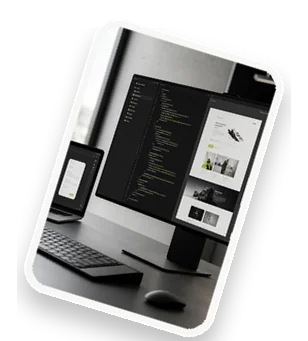
CMS integration connects a content management system (CMS) with your website or application, enabling efficient content creation, management, and delivery. It matters because it centralizes control, accelerates updates, and improves collaboration between technical and non-technical teams. In modern web development, CMS integration provides the agility and scalability needed to keep pace with digital demands while maintaining a user-friendly interface.
What Is CMS Integration and Why Does It Matter?
CMS integration refers to the process of linking a content management system with your website or app to streamline content operations. It allows you to manage all digital content from a single dashboard, reducing manual work and errors. This matters because it gives businesses the ability to update content quickly without developer intervention, ensuring that information remains current and engaging. Moreover, CMS integration fosters collaboration by enabling multiple users to work simultaneously with defined roles and permissions. In a competitive digital landscape, a well-integrated CMS is essential for maintaining a consistent brand voice and delivering personalized experiences. By centralizing content, you also improve SEO, as structured content can be optimized more effectively. Ultimately, CMS integration is not just about convenience—it's a strategic move that drives efficiency and growth.
Key Benefits of a CMS Integration Solution
A CMS integration solution offers clear workflows, fast deployment, and manageable updates. Clear workflows mean that content approval and publishing processes are streamlined, reducing bottlenecks. For example, editors can draft content, managers can review, and administrators can publish—all within the same system. Fast deployment is achieved through pre-built templates and plugins that accelerate launch times. Instead of building from scratch, you can leverage existing components to get your site live in days, not months. Manageable updates empower non-technical staff to edit text, images, and other elements without needing to write code. This reduces dependency on developers for routine changes, freeing them to focus on more complex tasks. Additionally, version control and rollback features ensure that mistakes can be easily undone. These benefits collectively reduce costs, improve time-to-market, and enhance overall agility, making CMS integration a smart investment for any organization.
Choosing the Right CMS for Your Project
Selecting the right CMS depends on factors like scalability, ease of use, security, and integration capabilities. Popular options include WordPress, Drupal, Joomla, and headless CMS platforms like Contentful. WordPress is ideal for blogs and small to medium-sized sites due to its vast plugin ecosystem and simplicity. Drupal offers advanced user role management and content types, making it suitable for complex enterprise portals. Joomla strikes a balance between ease of use and flexibility, often used for social networking or e-commerce. Headless CMS solutions, such as Contentful or Strapi, decouple the backend from the frontend, allowing for greater flexibility in delivering content across multiple channels (web, mobile, IoT). When choosing, consider your team's technical expertise, the scale of your content, and future growth plans. For e-commerce, platforms like Shopify or Magento may be preferable. Always evaluate integration capabilities with existing systems (CRM, ERP) to ensure seamless data flow.
The Integration Process: Step-by-Step
The integration process follows a structured approach to ensure success. Step 1: Requirements analysis and CMS selection. Begin by identifying your content needs, user roles, and technical constraints. Choose a CMS that aligns with your business goals. Step 2: Planning architecture and data migration. Design the information architecture, including content types, taxonomies, and workflows. Plan how to migrate existing content from old systems, ensuring data integrity. Step 3: Development and customization with APIs and hooks. Use the CMS's APIs to connect with your frontend or other applications. Customize templates and extend functionality through plugins or modules. Implement authentication, authorization, and security measures. Step 4: Testing, deployment, and training. Conduct thorough testing, including performance, security, and user acceptance. Deploy to production with a rollback plan. Train content editors and administrators on using the new system effectively. Ongoing support and maintenance are crucial for long-term success.
Common Challenges and How to Overcome Them
CMS integration comes with challenges such as performance issues, security risks, and user adoption hurdles. Performance issues can arise from inefficient database queries or excessive plugins. Overcome them by optimizing caching (e.g., Redis, Varnish), using a CDN, and regularly reviewing code for bottlenecks. Security risks include vulnerabilities in core software or third-party extensions. Mitigate by implementing SSL, enforcing strong passwords, applying updates promptly, and using security plugins. Access controls should follow the principle of least privilege. User adoption can be low if the CMS is complex or training is inadequate. Address this by providing comprehensive training sessions, creating user manuals, and offering ongoing support. Involve users early in the selection process to ensure the chosen CMS meets their needs. Regular feedback loops can help identify and resolve pain points quickly.
Best Practices for a Manageable CMS Integration
To ensure a manageable CMS integration, follow these best practices: Use modular architecture with plugins and themes. This allows for easy updates and customization without affecting core functionality. Implement version control and staging environments. Tools like Git help track changes, while staging environments allow testing before going live. Regular backups and monitoring for uptime. Automate backups to prevent data loss and use monitoring tools to detect issues early. Additionally, document your setup thoroughly, including custom code and configurations. This makes maintenance easier for future developers. Choose a CMS with a strong community and support network, as this ensures access to updates, security patches, and expert advice. Finally, plan for scalability from the start—use scalable hosting, optimize media storage, and design content models that can grow with your business.
Real-World Examples of Successful CMS Integration
Several real-world examples illustrate the power of CMS integration. E-commerce site integrating Shopify with a headless CMS for personalized content. By decoupling the frontend, the site can deliver dynamic product recommendations and tailored landing pages, boosting conversion rates. Corporate blog using WordPress with custom plugins for SEO optimization. With plugins like Yoast SEO and custom meta fields, the blog achieved a 50% increase in organic traffic within six months. Educational platform using Drupal for complex user roles and content types. Drupal's robust permissions allowed the platform to manage student, teacher, and admin roles seamlessly, while custom content types handled courses, quizzes, and certificates. These examples demonstrate how CMS integration can be tailored to specific industry needs, delivering measurable results.
Future Trends in CMS Integration
The future of CMS integration is shaped by headless architectures, AI-driven personalization, and IoT connectivity. Rise of headless CMS and API-first architectures allows content to be delivered to any device or channel, providing unparalleled flexibility. AI-driven content personalization and automation will enable systems to deliver tailored experiences based on user behavior, improving engagement and conversions. Improved integration with IoT and voice assistants will make content accessible through smart devices, expanding reach. Additionally, we can expect more advanced analytics and predictive capabilities, helping businesses optimize content strategies. As these trends evolve, CMS integration will become even more critical for staying competitive. Companies that adopt these technologies early will gain a significant advantage in delivering seamless, personalized digital experiences.
Get Started with a Clear, Fast, Manageable CMS Integration
Ready to transform your web development with a clear, fast, and manageable CMS integration? Start by assessing your current needs and identifying pain points. Our team of experts can help you select the right CMS, plan a seamless integration, and ensure your team is fully trained. Contact us today for a free consultation and discover how we can streamline your content operations, boost performance, and drive growth. Don't let outdated content management hold you back—embrace the future with a tailored CMS integration solution. Get in touch now and take the first step toward a more efficient digital presence.